Your R2 Is Coming. What Will It Cost to Feed It?
The Rivian R2 is here. Deliveries started in June 2026, and with over 100,000 reservations on the books, a lot of people are about to plug in an electric vehicle for the first time.
The excitement is real — the R2 is a genuinely impressive SUV. But buried under all the range numbers and 0-to-60 times is a question that matters a lot more to your monthly budget: what does it actually cost to charge this thing at home?
If you live in Florida, the answer depends on more than just the sticker price of electricity. Your utility, your rate plan, and whether you have solar panels on your roof all change the math dramatically. We’re going to walk through all of it — grid rates, solar economics, and how the R2 stacks up against a gas car — so you can plan before your R2 shows up in the driveway.
The Numbers That Matter: R2 Specs for Charging
Before we get into costs, here are the R2 specs that actually affect your electricity bill. You don’t need to memorize these — we’ll use them in the math below.
- Battery size: 87.9 kWh
- Energy consumption: 32 kWh per 100 miles (EPA combined, Performance trim with 21″ all-season tires). With all-terrain tires, it’s 34 kWh per 100 miles.
- EPA range: 330 miles (all-season) / 307 miles (all-terrain)
- Efficiency rating: 105 MPGe combined — identical to the Tesla Model Y Performance
- Charging port: NACS (the same connector Tesla uses). Charges at any Tesla Supercharger without an adapter.
- Home charging: Level 2 (240V) at home is the practical daily option. A full charge takes roughly 8–10 hours overnight. Level 1 (regular 120V outlet) works in a pinch but is painfully slow for a battery this size.
The key number for cost calculations is 32 kWh per 100 miles. That’s an EPA measurement taken from the wall outlet, so it already includes the energy lost during charging. When we multiply it by your electricity rate, you get the real cost.
Grid Charging: What You’ll Pay Today in Florida
Florida’s average residential electricity rate is about 16¢ per kWh right now. But rates vary depending on where you live and which utility serves your area.
Here’s how the major Florida utilities break down:
| Utility | Rate Type | Rate per kWh |
| FPL (Florida Power & Light) | Fixed residential | 17–20¢ |
| Duke Energy Florida | Fixed residential | 16–18¢ |
| GRU (Gainesville Regional Utilities) | Fixed residential | 11–13¢ |
Now let’s do the math. The average Florida driver covers about 11,100 miles per year — that’s roughly 925 miles per month, or about 30 miles a day (FHWA data). At the R2’s efficiency of 32 kWh per 100 miles, that works out to:
- Monthly charging need: About 296 kWh per month drawn from the wall
- Annual charging need: About 3,550 kWh per year
Here’s what that costs at today’s rates:
| Electricity Rate | Cost per Full Charge (0→100%, 330 mi) | Monthly Cost (925 mi/mo) | Annual Cost (11,100 mi/yr) |
| GRU: 12¢/kWh | $12.70 | $36 | $426 |
| FL average: 16¢/kWh | $16.90 | $47 | $568 |
| FPL: 18¢/kWh | $19.00 | $53 | $639 |
Even at the highest FPL rate, you’re looking at about $53 a month to drive 925 miles. That’s less than most people spend on coffee.
But here’s the catch: those are today’s rates. Utility electricity costs have been climbing steadily in Florida — about 2 to 3 percent per year, historically. Over the 25-year life of a solar system, the average cost of grid electricity works out to roughly 22¢ per kWh. That’s the number that matters when you’re comparing grid power to solar over the long run.
Gas vs. Grid vs. Solar: The Full Comparison
Here’s the comparison that puts everything in perspective. Same car, same 11,100 miles per year, three different ways to fuel it.
For an apples-to-apples comparison, we’re using the levelized cost of energy (LCOE) for both grid and solar. LCOE spreads the total cost across every kilowatt-hour over the system’s lifetime — it accounts for rate increases on the grid side and the full installed cost on the solar side. It’s the fairest way to compare what you’ll actually spend over 25 years.
| Gas Car (27 MPG) | R2 on Grid (22¢/kWh LCOE) | R2 on Solar (11¢/kWh LCOE) | |
| Annual fuel cost | $1,553 | $781 | $391 |
| Monthly fuel cost | $129 | $65 | $33 |
| Cost per mile | 14.0¢ | 7.0¢ | 3.5¢ |
| Annual savings vs. gas | — | $772 | $1,162 |
A few things worth noticing.
At grid LCOE, the R2 still costs about half what a gas car costs to fuel. On solar, it’s roughly a quarter — and with one crucial difference: the solar cost is locked in for 25 years. Grid rates go up. Gas prices fluctuate. Solar doesn’t change.
At 11¢ per kWh, solar cuts the grid’s 25-year cost in half. That’s not a small margin — it’s $390 per year in EV charging savings alone, before you even count the savings on your home electricity bill.
A note on honesty: the R2 Performance starts at $57,990. The fuel savings alone don’t justify buying the car — no one should buy an EV purely to save on gas. But if you’re already in the market for a midsize SUV in this price range, the running cost advantage is significant and compounds every year you own it.
How Much Extra Solar Do You Need for the R2?
This is the question most EV owners don’t think about until they get their first post-EV electric bill. Here’s the sizing math:
- Your R2’s appetite: An average Florida driver charging an R2 needs about 296 kWh per month from the wall.
- Florida solar production: In north-central Florida, each kilowatt (kW) of solar capacity produces about 125–135 kWh per month, averaged across the year.
- The math: 296 kWh ÷ 130 kWh per kW = roughly 2.3 kW of additional solar panels. That’s just 5 to 6 panels on your roof.
- The cost: At current Florida pricing ($2.17–$2.71 per watt installed), those extra panels cost roughly $5,000–$6,300.
If you’re designing a system to cover both your home and your R2, you’re looking at a total of about 11–12 kW. The average Florida home uses around 1,200 kWh per month. Add the R2’s 296 kWh and you need roughly 1,500 kWh of monthly solar production.
One practical caveat: solar panels produce power during the day. If your R2 is parked at work during peak sun hours, you’ll either need a home battery to store that daytime energy for evening charging, or a smart charger that maximizes whatever solar hours your car is home for. Many R2 owners who work from home — increasingly common in Florida — can charge directly from solar during the day with no battery needed.
Bonus: Your R2 Can Also Power Your Home
Here’s something most R2 buyers haven’t fully processed yet: the R2 isn’t just a car that consumes electricity. It can send it back.
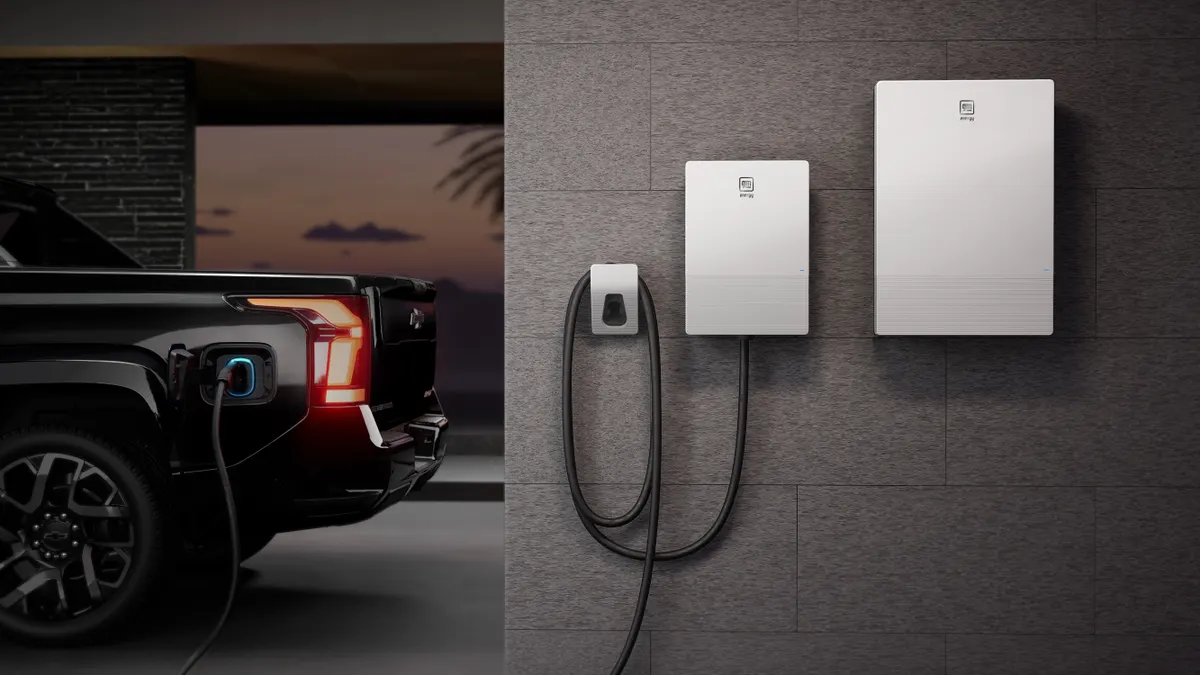
The R2 comes with built-in 11 kW bidirectional charging — a feature called vehicle-to-home (V2H). With the right equipment installed at your house, the R2’s 87.9 kWh battery can power your home for roughly 2 to 3 days during a power outage. In Florida, during hurricane season, that’s not a luxury — it’s a lifeline.
Pair V2H with solar panels, and you get a closed loop: the sun charges your R2 during the day, and your R2 powers your house at night or during a storm. No generator. No gasoline. No noise.
One important note: Rivian’s bidirectional home charger hasn’t been released yet. The R2 has the capability built in, but you’ll need Rivian’s dedicated hardware to use it. We’ll cover R2 V2H in detail — including how it compares to Tesla Powershare and what home equipment you’ll need — in our next article.
The Bottom Line
Here’s everything in one table:
| How You Charge | Monthly Cost | Annual Cost | Cost per Mile |
| Gas car (27 MPG, $3.78/gal) | $129 | $1,553 | 14.0¢ |
| R2 — Grid LCOE (22¢/kWh) | $65 | $781 | 7.0¢ |
| R2 — Solar LCOE (11¢/kWh) | $33 | $391 | 3.5¢ |
The R2 is dramatically cheaper to fuel than a gas car no matter how you charge it. Over the long run, solar cuts the grid’s cost in half — and locks in that rate for 25 years while utility prices keep climbing.
If you’re picking up an R2 — or any electric vehicle — this is the right time to think about what’s on your roof. A solar system sized for both your home and your EV pays for itself faster than one sized for just the house, because you’re offsetting two bills at once: electricity and fuel.
And with the R2’s V2H capability on the horizon, your solar + battery + EV setup becomes more than a money saver. It becomes your home’s backup power system.
Ready to Size Your System?
At PPM Solar, we design solar and battery systems that account for EV charging from day one. Whether you’re adding panels to an existing system or starting from scratch, we’ll calculate exactly how much solar you need to cover your home and your R2.
Schedule a free consultation — we’ll do the math together.