USDA has rebuilt the REAP grant. Starting October 16, 2026, a solar project has to be built and running for 12 months before you can apply, and the grant now covers up to 25% of project cost. Here is what changed, who still qualifies, and what farms and rural businesses should do next.
- Timing: apply 12 to 24 months after the system is finished (12 to 36 months in the first window).
- Amount: up to 25% of project cost, from $1,500 to $500,000 for solar.
- Status: no application window is open yet. USDA will announce the dates.
- Out: ground-mount solar on certified cropland, EV chargers and battery retrofits.
- Exempt: systems installed before October 1, 2026 do not have to meet the new equipment-origin rule.
REAP Now Pays After You Build, Not Before
On October 1, 2026, USDA published a final rule that rebuilds the Rural Energy for America Program (REAP), the grant many farms and rural businesses have used to help pay for solar. It takes effect October 16, 2026.
The biggest change is the order of events. You no longer apply before you build. Your system has to be installed and running, with 12 months of real production data, before USDA will accept an application. The grant is also smaller, and several project types that used to qualify no longer do.
REAP is still here, and rooftop solar on a farm or rural business building is still a strong fit. But the grant is now something you may earn after the fact, not money you can plan a project around.
What Changed
USDA calls the new approach a “post completion, performance validated model.” Awards are based on what a system actually produced and cost, not on projections.
| Before | Under the 2026 Rule | |
| When you apply | Before the project is built | 12 to 24 months after the project is finished |
| What USDA evaluates | Projected production and savings | 12 months of actual production, plus 12 months of energy use from before installation |
| Grant size | Up to 50% of eligible costs on recent awards | Up to 25% of project cost |
| Largest solar grant | $1,000,000 | $500,000 |
| Ground-mount solar on cropland | Eligible, later deprioritized | Not eligible |
| Equipment origin | No restriction | No components made in a country on the federal foreign adversary list |
| Locations | Several sites in one application | One location per application |
| Applications | One renewable and one efficiency application a year | One application per federal fiscal year, counted across companies with the same owners |
| Competition | State and national funding pools | One national competition, with top-scoring applications in each state funded first |
Two things did not change. REAP is still for agricultural producers and rural small businesses, and it is still competitive. Applications are scored, and USDA is clear that funding for every eligible project is not guaranteed.
Who Still Qualifies
Eligibility now has two halves: the applicant and the project. Both have to pass.
The Applicant
- An agricultural producer, or a rural small business that meets Small Business Administration size standards and is listed as a small business in SAM.gov.
- For agricultural producers: owned by an individual or family (or a Tribe), with the majority owner earning at least half of their income from the operation.
- The highest-level owner. A subsidiary owned by another company cannot apply.
- An existing business, with the site owned or leased for at least 12 months before the project began.
- Financially sound on paper: current assets at least equal to current liabilities, and positive cash flow in the most recent fiscal year.
- Located in a rural area as USDA defines it. The project itself has to be in a rural area.
The Project
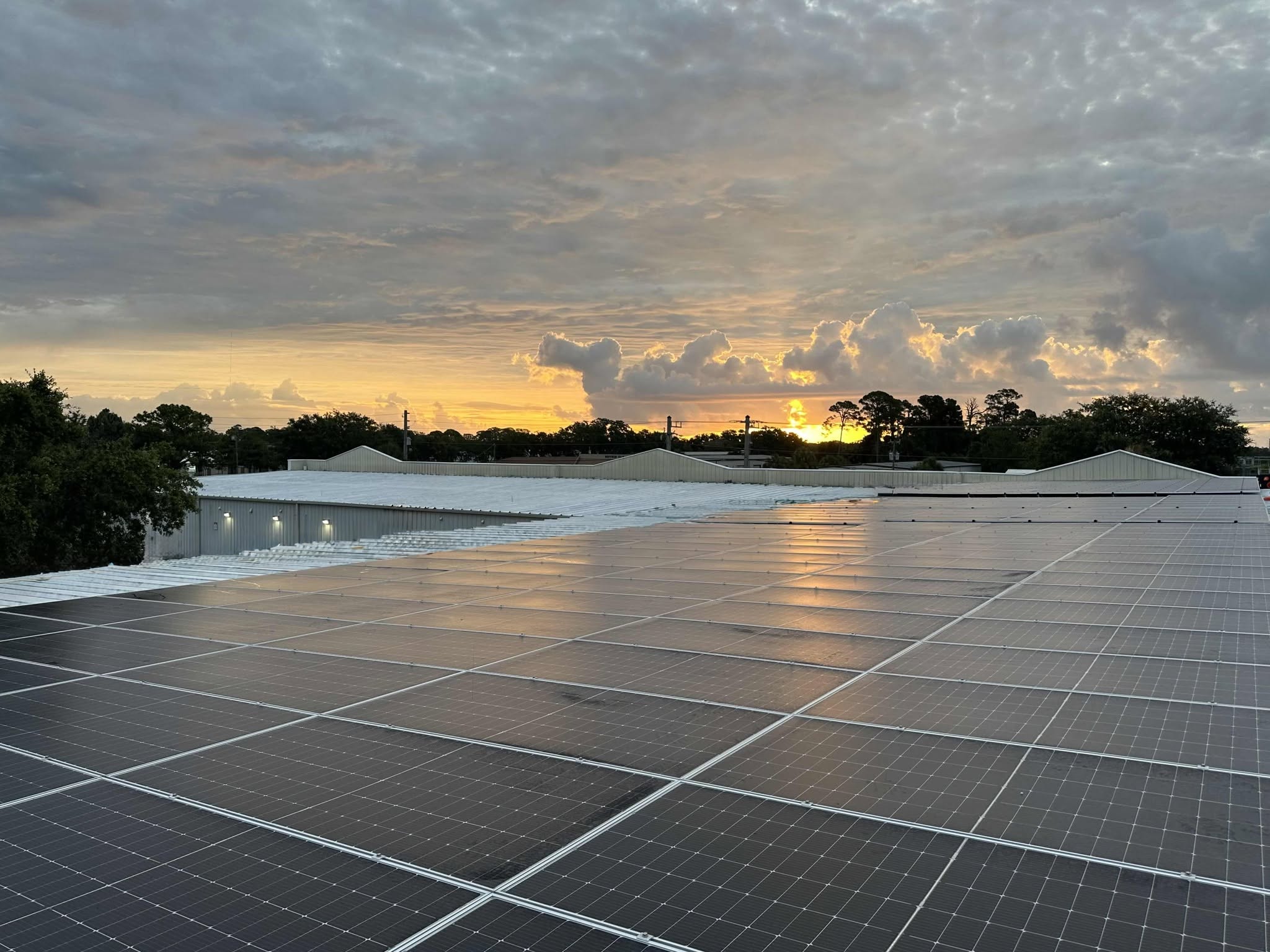
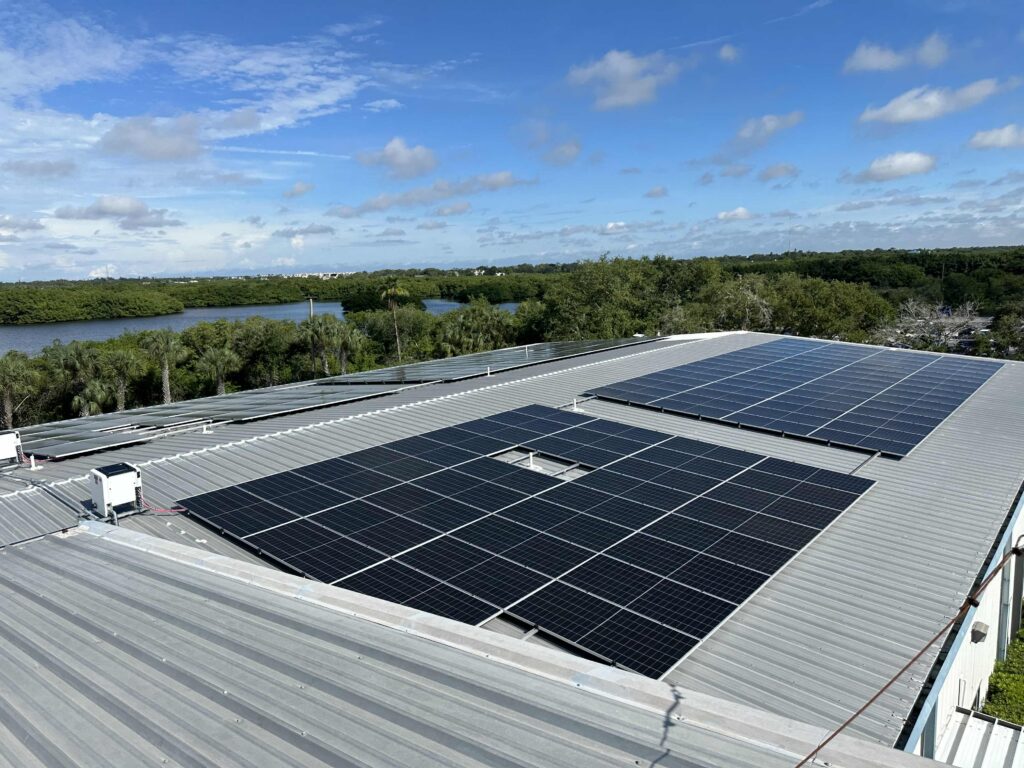
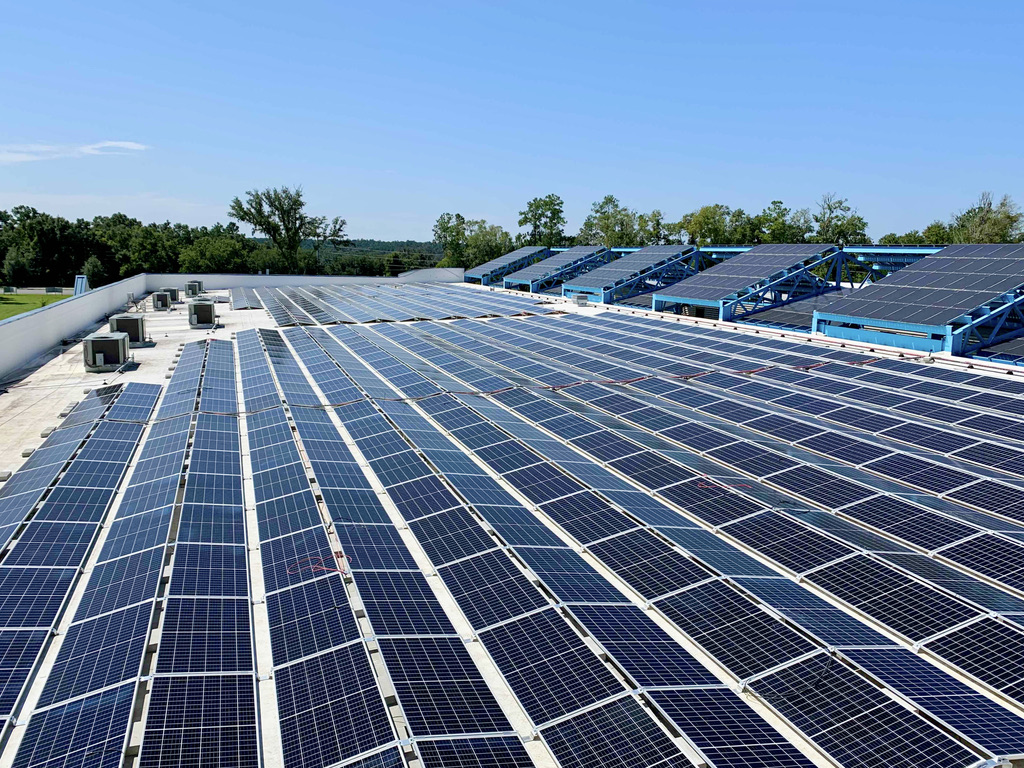
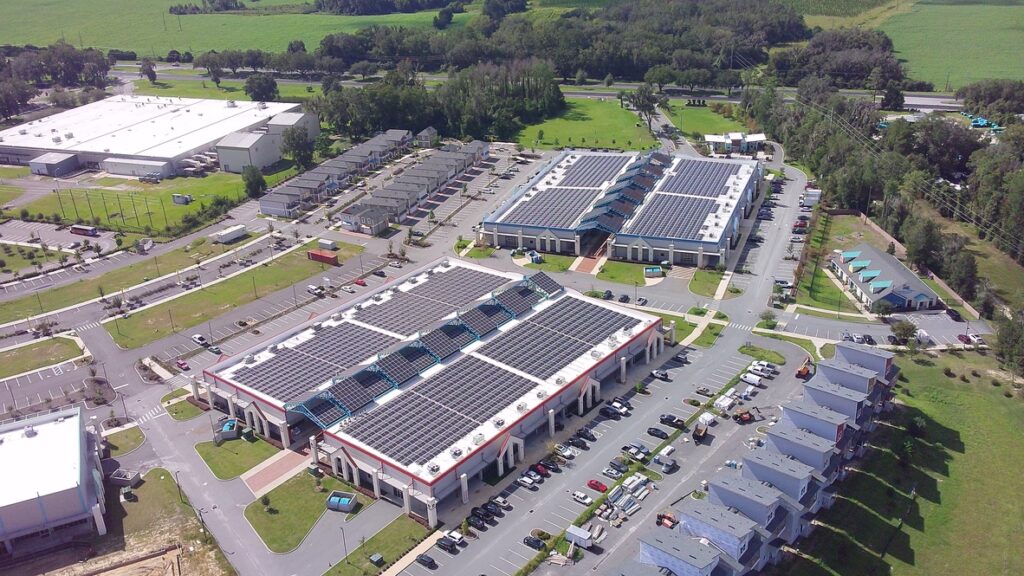
- Rooftop solar on a barn, shop, packing house or business building, serving that business’s own load, is the cleanest fit.
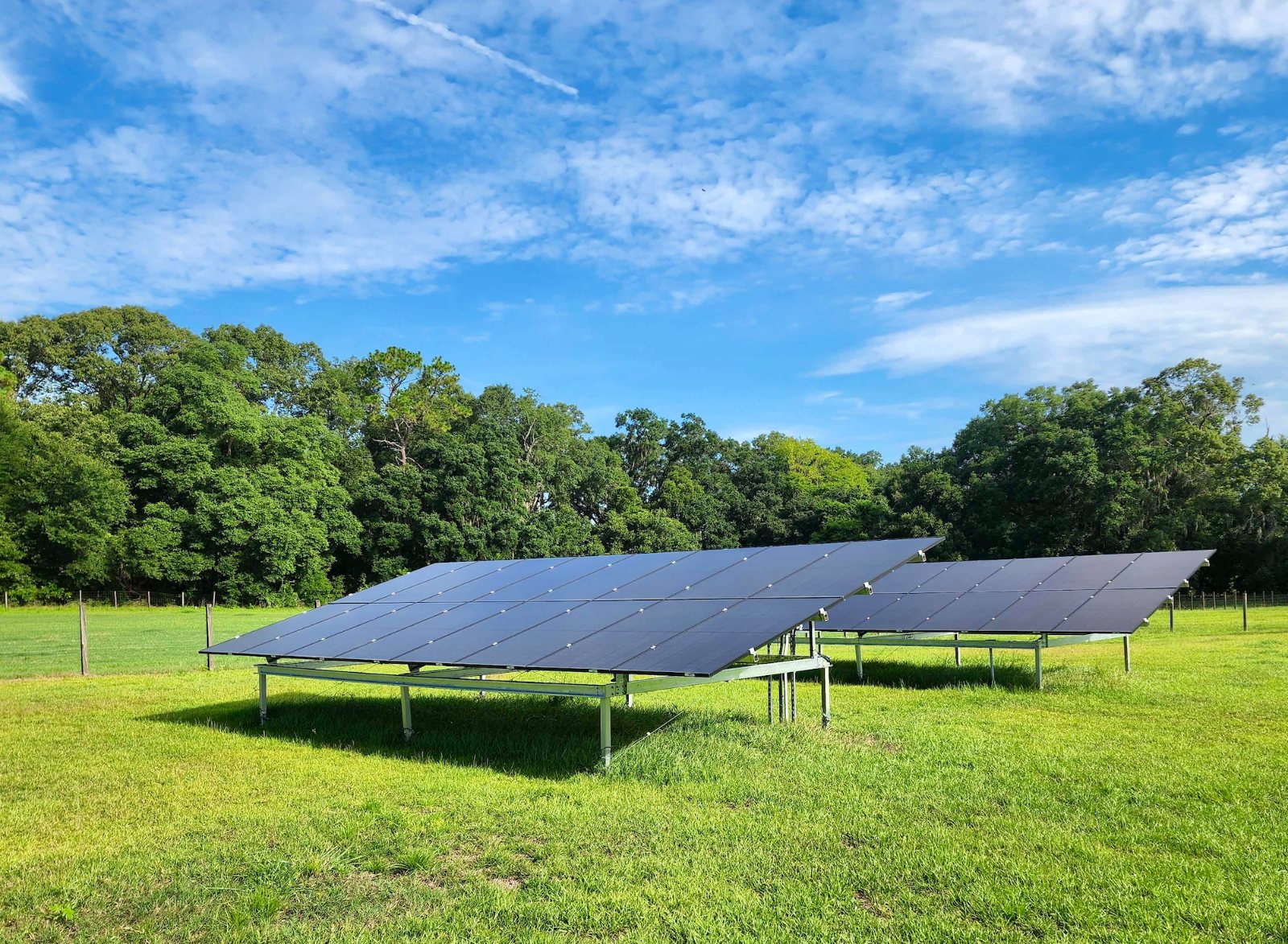
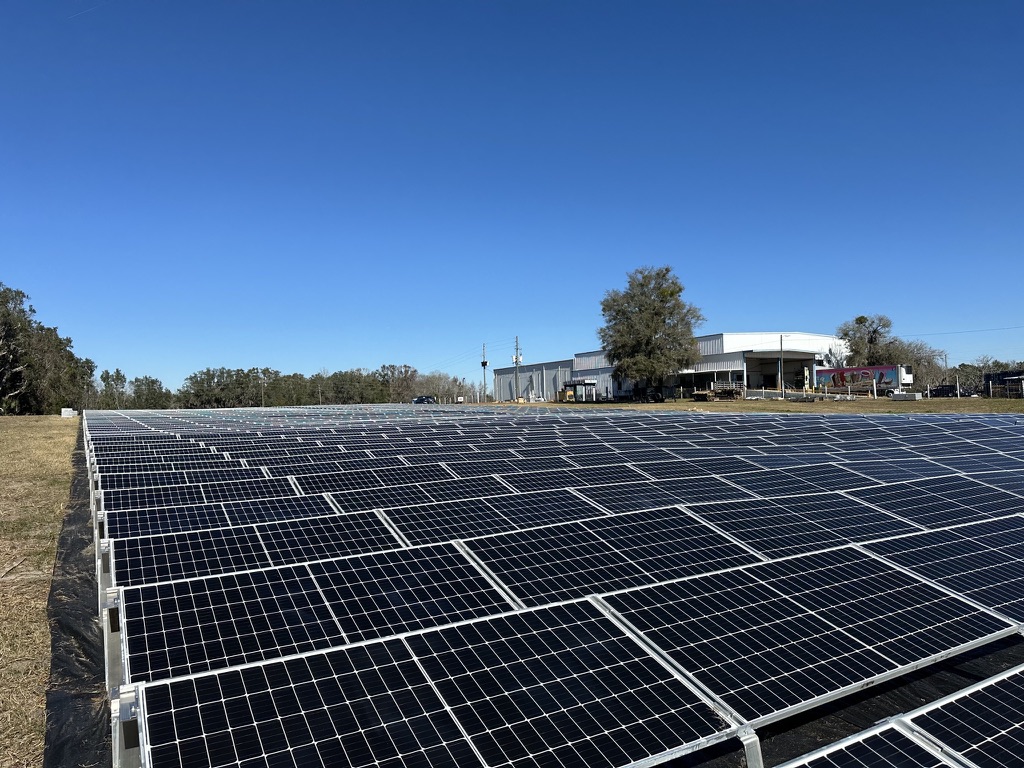
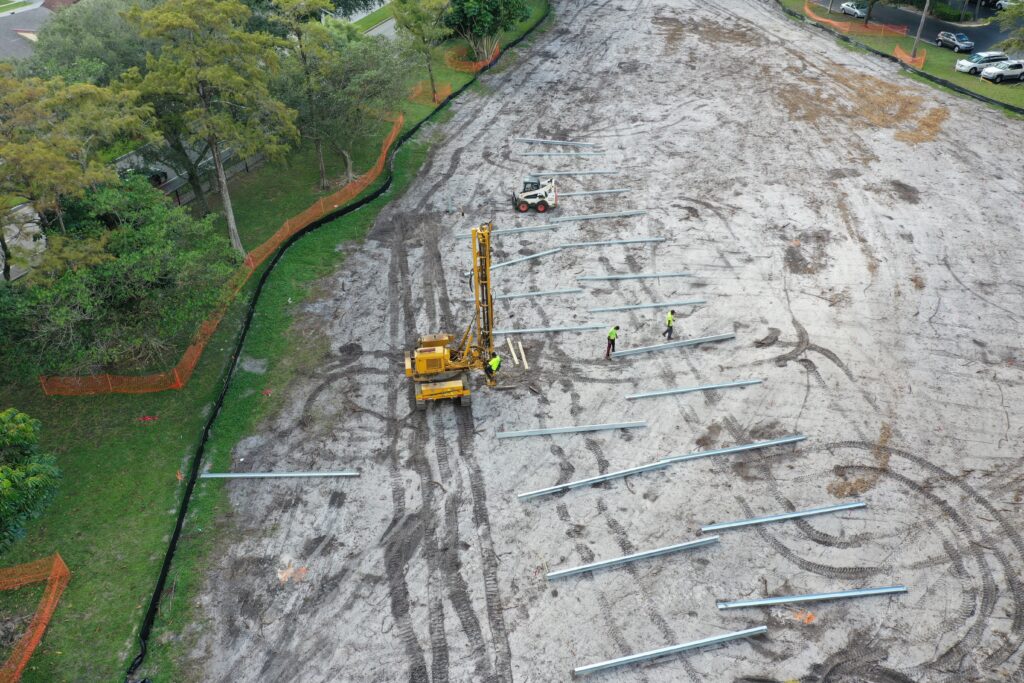
- Ground-mount solar can still qualify when it is not on certified cropland and the site’s past energy use supports the system size.
- Ground-mount on certified cropland is out.
- Sized to real use. A system that cannot show matching historical energy use is not eligible. USDA wrote the rule to reward right-sized systems.
- Business power only. A system can no longer share a meter with a residence.
- Equipment origin. Solar systems with any component made in a foreign adversary country are not eligible, whether roof or ground mounted. Applicants document the origin of panels, inverters, racking and monitoring.
- Payback. Simple payback has to be no longer than the equipment’s useful life.
- Batteries only with a new system. Storage installed together with the array can be included. The battery can be no larger than the array, and the array’s annual production is capped at 120% of the prior year’s use.
No Longer Eligible
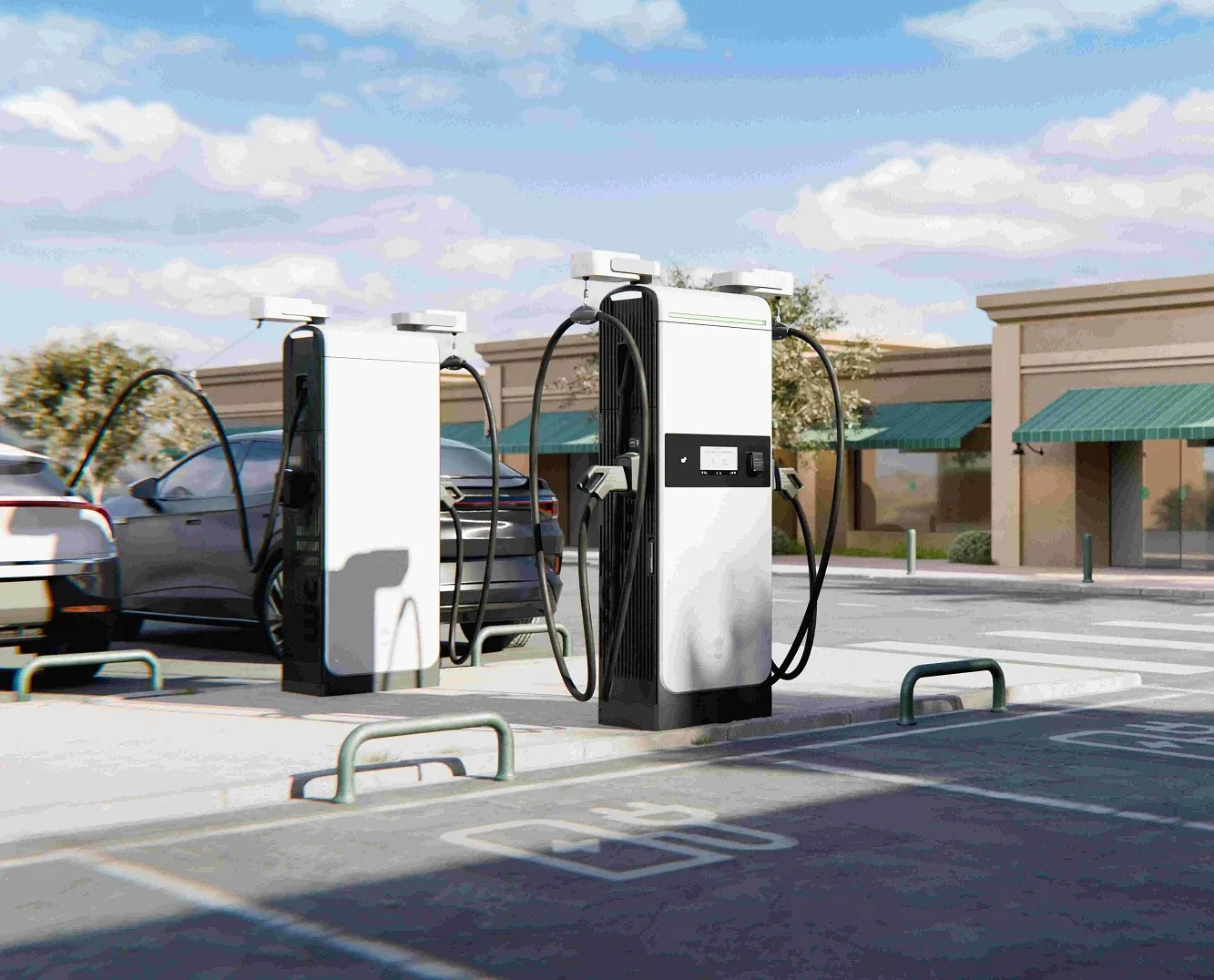
- EV chargers and charging stations.
- Stand-alone battery storage, or adding batteries to an existing solar system.
- One application covering more than one location.
- Energy efficiency improvements for new building construction.
Already Have Solar? You May Be Able to Apply
Because the grant now follows the build, systems that are already running can apply. The first application window reaches further back than later ones will.
- Normal windows: the project must have been completed 12 to 24 months before you apply.
- First window only: that range stretches to 12 to 36 months.
A farm or rural business that went solar in roughly the last three years, and has a full year of production on record, may be able to apply for a grant on a system it has already paid for.
USDA has not announced the window dates yet, so nobody can say exactly which completion dates will fall inside it.
Systems that are already built also get one break. Projects completed before the rule was published on October 1, 2026 are exempt from the equipment-origin restriction. Every other requirement still applies, including the cropland, metering and sizing rules.
If You Applied Under the Old Rules
- Applications with a Form 1940-1 signed by both you and USDA before October 16, 2026 keep moving, as long as the project stays within its terms.
- Everyone else needs a new application under the new rules. USDA says the build-first structure lets applicants with pending applications resubmit if they meet the requirements. Your USDA Rural Development state office can confirm where yours stands.
How the Money Works Now
A REAP grant now covers up to 25% of project cost. Requests run from $1,500 to $500,000 for a renewable energy system and up to $250,000 for energy efficiency improvements.
| Example Solar Project | Amount |
| Project cost | $400,000 |
| Largest possible grant (25%) | $100,000 |
| Your share, paid before you apply | $300,000 |
Reaching the $500,000 ceiling takes a project of $2 million or more.
The timing matters as much as the percentage. You pay for the whole system, run it for a year, then apply and compete. USDA points applicants to its REAP guaranteed loan program for the upfront cost. A guaranteed loan and a grant can cover the same project, up to a combined 75% of project cost.
REAP is also not the only incentive. The 30% federal tax credit for commercial solar is still available for systems placed in service by December 31, 2027, and it does not depend on a REAP award.
Our advice is simple: the project has to make sense without the grant. If solar lowers your operating costs on its own numbers, a REAP award a year or two later is a welcome return on a decision that was already sound. No contractor can promise you a REAP award, and you should be wary of any who does.
How USDA Scores Applications
Every application is scored on a 100-point scale, and the score decides who gets funded. The criteria are written into the rule.
| What USDA scores | Points | What it means for solar |
| Energy produced per grant dollar requested | 25 | Calculated from the system’s actual annual production |
| Share of your energy use the system replaces | 20 | Full points when the system replaces 74.5% to 109.4% of your use; zero at 109.5% or more |
| Prior REAP awards | 15 | 15 if you have never received an award; 5 if none in the last two fiscal years |
| Simple payback | 15 | 15 under 10 years; 10 at 10 to 14 years; 5 at 15 to 25 years |
| Business impact | 10 | 5 for three or more employees besides the owners; 5 for critical community services such as grocery, veterinary or medical |
| Environmental benefits | 5 | 3 for a system that produces no greenhouse gases |
| USDA priority points | 10 | Priorities USDA will post on the program website |
An application needs at least 40 points to be funded. USDA funds the highest-scoring application in each state first (the top two when more than $100 million is available), then works down one national ranking until the money runs out. Requests of $20,000 or less compete for a reserved pool first.
Two things stand out for solar. First-time applicants start with a 15-point advantage. And oversizing now costs you: a system that produces well beyond what the site uses earns nothing in the second category.
What to Do Now
The new REAP rewards good records. Whether your system is already running or still on the drawing board, start the file today.
- Pull 12 straight months of utility bills from before installation. Account history gets harder to retrieve the longer you wait.
- Confirm your monitoring exports monthly production. A net-metered utility bill shows what crossed the meter, not what the array produced.
- Keep itemized, dated invoices, along with permits, inspection approvals and your interconnection agreement.
- Get country-of-origin paperwork for panels, inverters, racking and monitoring.
- Keep a record of how you chose your contractor. Competing quotes and emails help show a fair selection.
- Register at SAM.gov if you have not. Federal grant applicants need an active registration.
- Size the system to the power you actually use. Oversized systems are what the rule was written to screen out.
What Your Installer Has to Show
USDA now looks at who built the system. The installing contractor has to be licensed in the state, have installed at least three similar systems, have no conflict of interest with you, and be chosen through a documented selection process. Projects costing $200,000 or more also need a completion certificate from a professional engineer licensed in that state.
Dates to Know
| Date | What Happens |
| October 1, 2026 | Final rule published in the Federal Register |
| October 16, 2026 | Rule takes effect |
| November 2, 2026 | Public comments close, docket RBS-26-Business-0529 |
| Not yet announced | Application window, set by a USDA Notice of Funding Opportunity |
Details may still move. The comment period is open, a federal lawsuit filed in late September challenges USDA’s earlier REAP actions, and the funding notice will add scoring priorities.
How PPM Solar Helps
PPM Solar is a licensed solar and electrical contractor that has designed and built systems since February 2009, with commercial work across Florida and the Carolinas. Under the new REAP, the most useful things an installer can do are build the right system and hand you a complete file. That is how we already work:
- Systems sized to your real load, on the roof or on ground that qualifies.
- Equipment with documented country of origin.
- A project file you can hand to USDA: itemized invoices, permits, as-built drawings, interconnection records and production data.
The rule also tightens conflict-of-interest standards between applicants and the companies that build their systems. The application should come from you or an independent grant professional, and we will make sure you have what it asks for.
Want to know where your project stands? Schedule a commercial consultation or call (352) 309-7727 and ask for a REAP eligibility review.
For the full walkthrough of eligibility, scoring and the application steps, read our USDA REAP grant guide.
Frequently Asked Questions
Can I still get a USDA REAP grant for solar?
Yes, but the process changed. Under the final rule effective October 16, 2026, the system has to be built and operating, with 12 months of production data, before you apply. USDA has not yet announced the first application window.
How much does the REAP grant cover now?
Up to 25% of project cost, from $1,500 to $500,000 for a renewable energy system. The earlier program covered up to 50% on recent awards.
Is ground-mount solar still eligible for REAP?
Not on certified cropland. Ground-mount systems elsewhere can still qualify when the site’s historical energy use supports the system size. Rooftop systems are not affected by the cropland rule.
My solar system is already installed. Can I apply?
Possibly. For the first application window only, projects completed 12 to 36 months before the application date can apply. You will need 12 months of energy use from before installation and 12 months of production after it.
Are REAP grants guaranteed?
No. REAP is competitive. Applications are scored and funded in rank order until the money runs out, so a project should make financial sense without the grant.
Do the solar panels have to be made in America?
No. The rule excludes systems with any component made in a country on the federal foreign adversary list, which includes China. Equipment made elsewhere can qualify. The restriction covers panels, inverters, racking and monitoring, and systems installed before October 1, 2026 are exempt.
Are batteries and EV chargers eligible for REAP?
EV chargers are not eligible. Batteries qualify only when they are installed together with a new renewable energy system, and the battery cannot be larger than the system it is paired with. Adding a battery to an existing solar array, or installing storage on its own, does not qualify.
Sources
- Federal Register, final rule 2026-20178 (91 FR 62600)
- USDA press release, October 2, 2026
- GreenLancer, “USDA REAP Solar Grant 2026: New Rules for Installers”
This post is a plain-English summary as of October 12, 2026, not legal or grant advice. USDA’s rule and its funding notice control.